




In the world of luxury fashion, creative leaders shape not just collections but entire brand identities. Recent announcements across major houses — including Jonathan Anderson’s expanding role and changes at Loewe — signal a shift in how luxury brands think about leadership, creative collaboration and cultural relevance. These developments reflect broader industry trends: designers evolving into multi‑brand visionaries, houses reexamining their heritage, and creative directors becoming global cultural figures in their own right.
Here’s a closer look at the key moves in luxury creative leadership and what they mean for fashion’s next chapter.
Jonathan Anderson’s Expanding Influence
Jonathan Anderson, founder and creative director of Loewe, has been a defining voice in contemporary luxury for more than a decade. Since taking the helm in 2013, he has transformed the Spanish heritage house into a global leader in thoughtful, tactile fashion — blending craftsmanship, art and modernity in ways that feel both accessible and elevated.
Recently, Anderson took on an expanded creative remit beyond Loewe, reflecting his growing influence within luxury fashion. While details of his expanded responsibilities vary by report, the move underscores how brands are increasingly relying on visionary designers to shape not only aesthetics but also cultural direction.
For many industry observers, Anderson’s evolution highlights a key shift: top creatives today are valued not just for runway collections but for their ability to translate brand ethos across media, collaborations, product categories and audience experiences. Anderson has done exactly that, elevating Loewe’s presence in art, craft collaborations and storytelling, rather than limiting his role to garments alone.
Why Creative Leadership Matters Now
Creative directors at luxury houses are no longer isolated to seasonal collections. Their roles have expanded into curators of cultural dialogue, audience engagement and brand ecosystems. This broader impact includes:
- Collaborations: Partnering with artists, musicians and contemporary creators to broaden the brand’s cultural footprint. Jonathan Anderson’s work with artists and artisans — whether for fashion collections, installations or bespoke partnerships — exemplifies this trend.
- Cross‑category vision: Many creative directors now influence not just ready‑to‑wear but also accessories, beauty, home, fragrances and even digital experiences. Their vision becomes the connective tissue between disparate product lines.
- Storytelling and identity: In an era dominated by narrative and social media, creative directors help shape how audiences feel about a brand. Collections become chapters in a broader story rather than standalone moments.
In this context, expanding Anderson’s creative remit goes beyond internal promotion — it’s a strategic move to amplify his voice across fashion and culture.

Loewe’s New Creative Era
While Anderson’s expanded influence is notable, Loewe has also made headlines with shifts within its creative leadership. After years under his direction, the brand signaled new movements within its creative team — a reminder that luxury houses constantly evolve, even when led by visionary designers.
Loewe’s history is marked by reinvention: originally a Spanish leather house founded in 1846, it later reemerged as a contemporary force under different creative directors. Under Anderson’s leadership, the brand became known for:
- Material experimentation: A hallmark of Loewe’s identity has been its extraordinary mastery of leather — treated with unusual textures, saturated colors and sculptural shapes.
- Craft emphasis: Collaborations with traditional artisans and a renewed focus on craft have become integral to the brand’s storytelling.
- Cultural engagement: Loewe’s programming has extended into exhibitions, artistic residencies and interdisciplinary dialogues that bridge fashion with contemporary thought.
The latest creative changes at Loewe reflect a natural progression for a brand firmly rooted in both heritage and innovation. As the fashion landscape shifts, houses like Loewe recognize the need to adapt while maintaining their core DNA — a balance between continuity and reinvention.
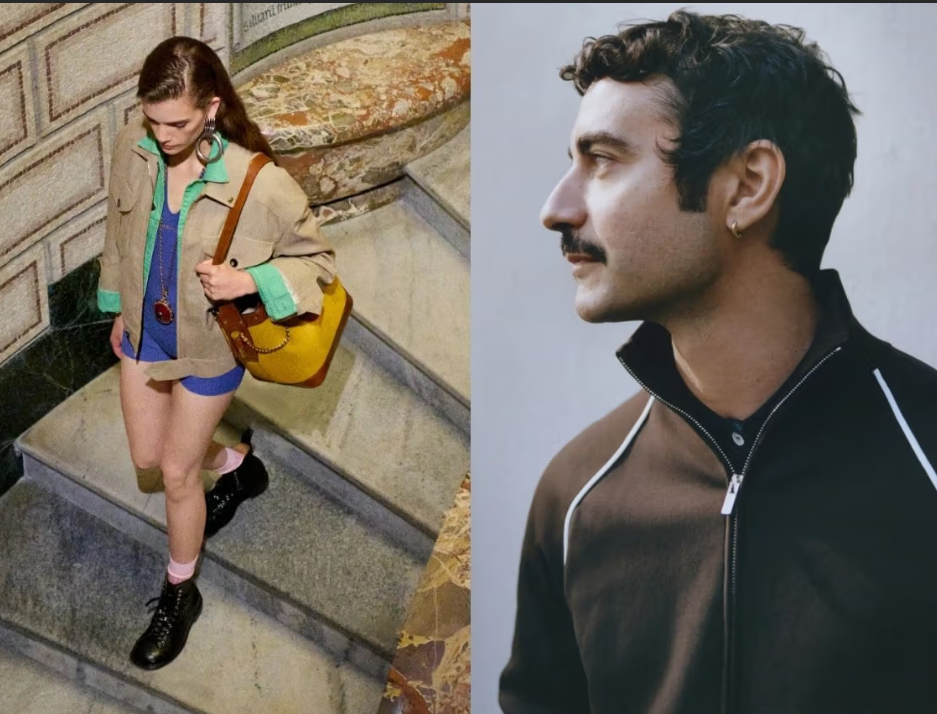
Creative Leadership in a Changing Luxury Landscape
Recent moves from Loewe and other major houses illuminate a broader industry narrative: luxury fashion is reevaluating the role of creative leadership in a world where:
- Audience expectations are broader: Consumers want more than clothes — they want narratives, values and cultural context. Creative directors are stewards of those narratives.
- Digital engagement is essential: With fashion increasingly consumed through screens, creative leaders shape digital storytelling, imagery, and brand tone in addition to seasonal lines.
- Cross‑disciplinary influence matters: Designers collaborate with artists, filmmakers, architects and innovators outside traditional fashion circles, expanding their brands’ reach.
This shift makes the role of a creative director more strategic and multi‑dimensional than ever before.
A Broader Trend: Designers as Cultural Architects
The recent announcements are part of a larger fashion ecosystem trend in which designers are seen as cultural architects — creative leaders who build narratives and ecosystems, rather than just collections. Brands are investing in these leaders not only to drive design, but also to expand brand relevancy across consumer touchpoints and cultural conversations.
Fashion houses increasingly recognize that:
- A creative director’s personal visibility amplifies brand visibility. Designers who are themselves cultural figures — engaging in public discourse, collaborating across artistic mediums and fostering community — can drive broader engagement.
- Articulating a distinct viewpoint helps brands cut through a crowded landscape. A strong creative voice provides cohesion across products, activations and messaging.
- Evolution matters. Even successful creative eras will eventually shift as brands seek new interpretations that resonate with evolving audiences.
In this context, the moves at Loewe and Jonathan Anderson’s evolving influence reflect an industry recalibrating how vision and leadership function.
What This Means for Fashion Now
As luxury brands rework their creative structures and expand the remit of visionary designers, several takeaways stand out:
1. Vision Over Transaction
Creative directors are valued for vision, not just execution. Their role is narrative, not only seasonal collection delivery.
2. Brand as Cultural Platform
Houses are becoming cultural platforms where fashion intersects with art, community and storytelling — and the creative director is the central curator of that intersection.
3. Designers as Multi‑Category Leaders
From fashion and beauty to experiences and digital storytelling, creative leaders influence multiple facets of a brand’s ecosystem.
4. Evolving Without Losing Identity
Luxury houses are learning to evolve while preserving their heritage — ensuring continuity even as leadership expands or shifts.
Looking Ahead
The latest creative leadership news — from Jonathan Anderson’s expanded influence to Loewe’s ongoing evolution — underscores a powerful moment in luxury fashion. Designers are no longer simply creators of clothes; they are interpreters of culture and visionaries shaping the future of how brands connect with audiences.
As these roles continue to evolve, fashion watchers should expect creative directors to increasingly stand at the intersection of design, culture and storytelling — with influence that extends far beyond the runway.