


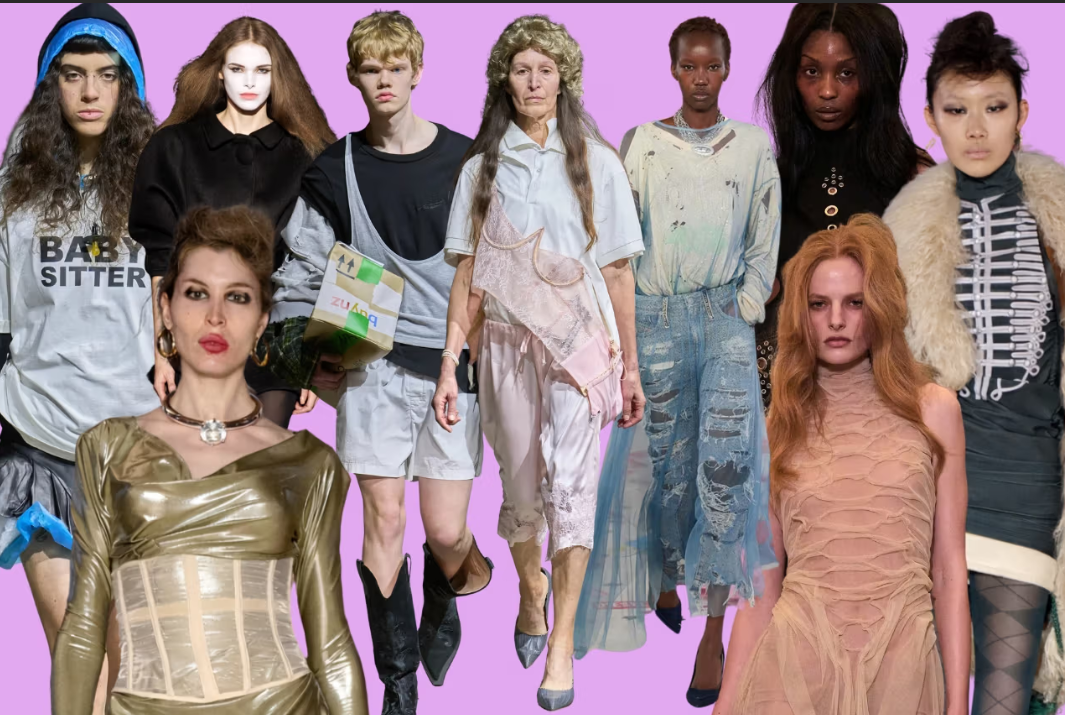
If you’ve been following the global fashion months lately, you might have noticed something unusual about the way models are walking the runway — and it isn’t just the clothes. There’s a prevailing mood of intentional disarray sweeping through the Fall/Winter 2026 shows, one that swaps pristine polish for a kind of raw, lived‑in energy. From “just rolled out of bed” hair to imperfect makeup and deliberately awkward styling, fashion’s newest language is beautifully messy.
This season, perfection feels passé. Sleek aesthetics like “clean girl makeup” and slicked‑back hairstyles — once staples of runway beauty — are being replaced with undone, imperfect touches that signal something more spontaneous and human. Designers are leaning into flaws, chaos, and the unpredictable elements of real life — turning them into high‑fashion statements.
The Rise of “Chaos Chic”
The overarching theme of this trend could be described as “chaos chic” — a style that celebrates imperfection and finds beauty in what most people would consider mistakes. Across fashion capitals, hair and makeup teams have been styling models with rumpled locks and smudged pigments, evoking a look that’s equal parts rebellious, effortless, and expressive of lived experience.
At its core, this shift is a reaction against the hyper‑controlled aesthetics that have dominated the past few seasons. After years of sleek minimalism and heavily curated looks tailored for social feeds and algorithmic perfection, designers are refreshing the conversation. They’re pushing back against sterile beauty by embracing the authenticity of disorder — not as chaos for chaos’s sake, but as a visual language that feels true and unfiltered.
Messy Hair: The New Runway Signature
Hair on the Fall/Winter 2026 runways tells a story that is almost the opposite of meticulous styling. Instead of immaculately styled updos or ironed‑flat blowouts, models strutted down with tousled, frizzy, and backcombed hair that looked like it hadn’t been touched since waking up.
This “bedhead” look — once relegated to casual, everyday moments — has now become a fashion signifier. At shows like Sinead Gorey, messy hairstyles helped evoke the carefree, slightly unruly essence of a night out in London. In broader fashion month coverage, messy hair appeared across a range of designers from Simone Rocha to Collina Strada, presenting a rebellious alternative to polished runway beauty.
Rather than looking unfinished, these hair trends feel deliberately expressive. Loose strands and natural texture are framed like artistic brushstrokes, contributing to an overall mood that feels more relatable — and strangely poetic — than perfectly styled locks.
Makeup That Looks “Just Worn”
Runway makeup is following a similar theme. Gone are the days of contour‑defined faces and perfectly placed eyeliner. Instead, many shows featured looks that appeared smudged, slept‑in, or slightly disheveled — as though the models had woken up and simply decided to walk the runway after a night of living.
This can take the form of gently blurred lipstick, accidental stains, or soft shadows in place of full coverage. Some designers leaned into this with intentional morning‑after makeup, while others played up smudged liner and imperfect hues to amplify a more expressive, human aesthetic.
The effect is subtle but powerful: makeup that feels like a trace of life, not a mask that hides it. It reflects a desire for authenticity — a sign that fashion is acknowledging real human experiences as part of its visual vocabulary.
Styling With “Mistakes” on Purpose
The messy beauty trend isn’t just limited to hair and makeup — it appears in how entire outfits are styled. At Natasha Zinko shows, garments were purposely skewed, layered askew, or accessorized in ways that felt impulsive and off‑kilter, conjuring images of early‑morning comebacks or spontaneous nightlife moments.
Even traditionally neat tailoring has been interrupted. Some designers chose to fold collars unevenly or pair shoes with mismatched straps, deliberately creating what looks like an accidental wardrobe “miss.” These tactical choices point to a broader philosophy: imperfection can be more expressive than flawlessness.
Notably, this aesthetic isn’t actually sloppy — it’s designed to communicate a mood. Every smudge, tousled curl, and asymmetrical detail has been thoughtfully placed to evoke personality and emotional depth. It’s a curated kind of chaos that feels intentional every step of the way.
Why Imperfection Feels Resonant Now
There’s a cultural context behind this trend that goes beyond fashion’s seasonal cycle. In an era where digital imagery can be polished to near fiction with a few clicks, and where curated self‑presentations dominate social media, designers seem genuinely eager to reclaim something untidy and real.
This fascination with imperfection also mirrors wider cultural shifts: people are increasingly drawn to authenticity, spontaneity, and the raw edges of human expression. In uncertain times — marked by global instability and digital saturation — fashion’s embrace of the messy serves as a visual counterbalance to the pressures of perfection.
In other words, the trend isn’t just about aesthetics — it’s a cultural statement. By making messy look chic, designers are telling us that beauty isn’t always refined or neat, and that sometimes the most compelling expression comes from moments that are unfiltered, imperfect, and unmistakably human.